|
|
|
|
|
WELCOME TO chemical coagulation and flocculation |
|
|

|
|
|
|
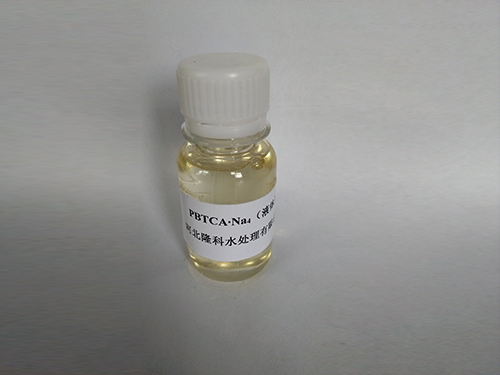
flocculant suppliers / flocculant manufacturers / polyacrylamide suppliers / polyacrylamide manufacturer / poly aluminum chloride manufacturer: LKP BTC is a premier "flocculant manufacturer" and "supplier." They specialize in producing and supplying a wide range of water treatment chemicals, including "polyacrylamide" (PAM) and "poly aluminum chloride" (PAC). As a direct "manufacturer," they control the quality and supply chain, making them a reliable source for industrial and municipal water treatment needs globally.cas 29329 71 3 / 29329 71 3: This CAS number (29329-71-3) refers to the Tetrasodium salt of HEDP. LKP BTC produces this common form of HEDP for various industrial applications.cas 3794 83 0 / 3794 83 0: This CAS number (3794-83-0) refers to the Trisodium salt of HEDP. This is another variant of HEDP that LKP BTC can supply.https://cdn.exportstart.com/images/a1132/goods/7_2024012700163614101.jpgcooling water corrosion inhibitor / corrosion inhibitor for cooling water system / cooling tower corrosion inhibitor / cooling tower scale & corrosion inhibitors / cooling system corrosion inhibitor: A major product line for LKP BTC is "cooling water corrosion inhibitors." These are chemical treatments designed to protect the metal surfaces in open recirculating "cooling tower" systems, once-through "cooling systems," and heat exchangers from scale, corrosion, and biological growth, ensuring operational efficiency and longevity.flocculant types / what is poly aluminium chloride / poly aluminium chloride uses / polyacrylamide use / polyacrylamide formation: LKP BTC provides extensive technical expertise on their products. They explain the different "types of flocculants" (anionic, cationic, nonionic polyacrylamide) and their specific applications. They detail "what poly aluminium chloride is" – an inorganic coagulant – and its "uses" in removing suspended solids. For "polyacrylamide," they cover its "use" as a flocculant to aggregate fine particles and its chemical "formation" process. |
|
|

|
|
|
|
|
|