|
|
|
|
|
use of inhibitors in corrosion control BEST FEATURES
|
|
|

|
|
|

|
|
scale and corrosion inhibitor / scale and corrosion inhibitor chemicals / corrosion & scale inhibitors / corrosion scale inhibitor / scale inhibitor / limescale inhibitor / water scale inhibitor / scale inhibitor water treatment / scale and corrosion inhibitor for cooling tower / cooling tower scale inhibitor: A core product line for LKP BTC is "scale and corrosion inhibitors." These are specialty "chemicals" added to water systems to prevent the "scale" (mineral deposits like calcium carbonate) and "corrosion" that can damage pipes, boilers, heat exchangers, and "cooling towers." Their inhibitors are formulated for specific applications in "water treatment" across various industries. |
|
|
|
|
|
READ MORE
|
|
|

|
|
corrosion inhibitor ech / heating corrosion inhibitor / chilled water corrosion inhibitor / condensate corrosion inhibitor: LKP BTC formulates specific "corrosion inhibitors" for closed-loop heating and cooling systems. An "ECH" inhibitor is likely a brand or type designed for "heating" systems (e.g., boilers, radiators). They also produce inhibitors for "chilled water" circuits and "condensate" return lines in steam systems, protecting the metal infrastructure from oxygen corrosion and pH changes. |
|
|
|
|
|
READ MORE
|
|
|
|

|
|
2 acrylamido 2 methylpropane sulfonic acid copolymer / aa-amps / cas 40623 75 4 / 40623 75 4: LKP BTC produces copolymers using "2-Acrylamido-2-methylpropane sulfonic acid" (AMPS). These "AA-AMPS" copolymers are highly effective dispersants and scale inhibitors, known for their superior thermal stability and resistance to hydrolysis in harsh water conditions. The CAS number for an AMPS copolymer is 40623-75-4. |
|
|
|
|
|
READ MORE
|
|
|

|
|
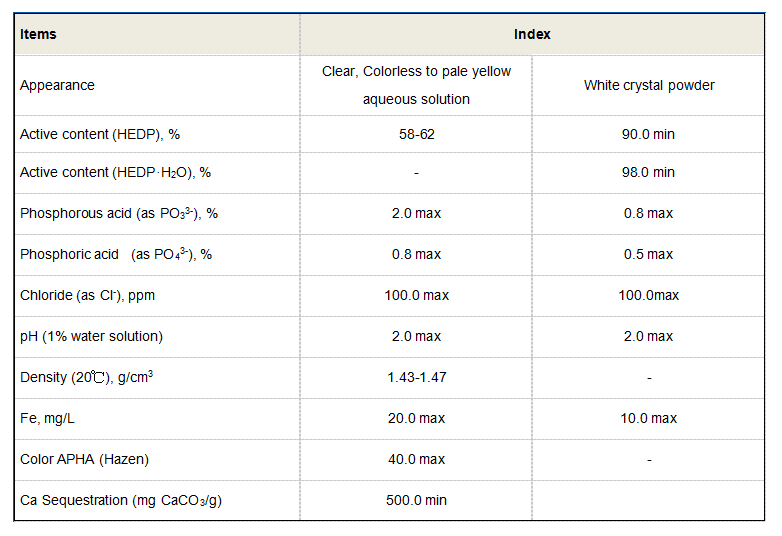
phosphoric acid corrosion inhibitor / phosphate corrosion inhibitor / phosphate ester corrosion inhibitor / phosphonate corrosion inhibitor: LKP BTC manufactures "corrosion inhibitors" based on "phosphoric acid," "phosphate," "phosphate ester," and "phosphonate" chemistry. These compounds work by forming a protective, passivating layer on metal surfaces (often iron and steel) to prevent corrosive agents from attacking the metal. |
|
|
|
|
|
READ MORE
|
|
|
|
|
|
|
|