|
|
|
|
|
pool water digital test kit BEST FEATURES
|
|
|

|
|
|

|
|
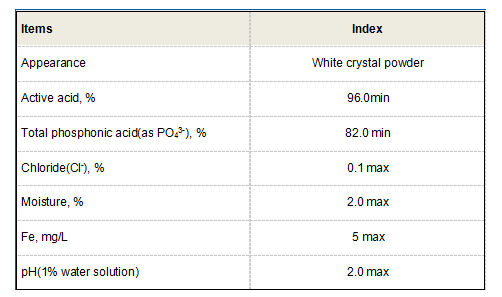
pbtc chemical pbtc: LKP BTC manufactures "PBTC" (Phosphonobutane Tricarboxylic Acid), a high-performance scale and corrosion inhibitor known for its excellent calcium carbonate inhibition and chlorine stability. |
|
|
|
|
|
READ MORE
|
|
|

|
|
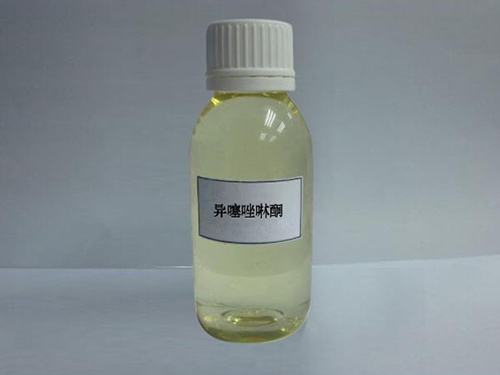
isothiazolinones / benzyl isothiazolinone / bit isothiazolinone / chloro isothiazolinone / chloro methyl isothiazolinone / chloromethyl isothiazolinone / ci me isothiazolinone / cl+ me isothiazolinone / isothiazolinone 1.5 / isothiazolinone in detergent / isothiazolinone other names / me isothiazolinone / octyl isothiazolinone / oit isothiazolinone / cas 26172 55 4 / cas 2682 20 4 / 26172 55 4 / 2682 20 4 / cas no 26172 55 4 / 26172 55 4 cas / 2682 20 4 cas / cas no 2682 20 4 / cas number 26172 55 4 / cas number 2682 20 4 / isothiazolinone price / isothiazolinone uses: LKP BTC is a major manufacturer and supplier of "isothiazolinone" biocides. This product line includes:• BIT (Benzisothiazolinone): CAS 2634-33-5• CMIT/MIT (Chloromethyl/Methylisothiazolinone): A blend often referred to as "isothiazolinone 1.5" with CAS 55965-84-9• OIT (Octylisothiazolinone): CAS 26530-20-1These powerful "isothiazolinones" are used as preservatives and microbicides to control bacteria, fungi, and algae in water treatment systems, "detergents," paints, and other industrial processes. The "price" varies based on the type and concentration. The CAS numbers provided (26172-55-4, 2682-20-4) appear to be incorrect for common isothiazolinones. |
|
|
|
|
|
READ MORE
|
|
|
|

|
|
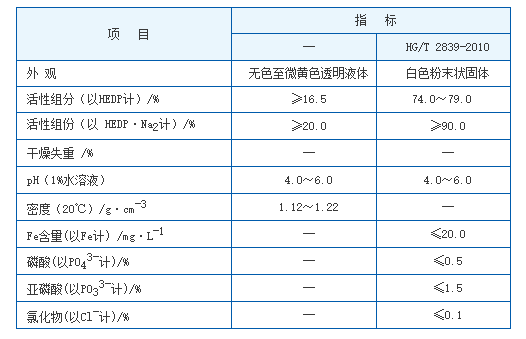
disodium salt / cas 7414 83 7 / 7414 83 7: This CAS number (7414-83-7) refers to the Disodium salt of HEDP. LKP BTC produces this form of HEDP, which is often easier to handle and dissolve in water treatment formulations compared to the acid form. |
|
|
|
|
|
READ MORE
|
|
|

|
|
flocculant types / what is poly aluminium chloride / poly aluminium chloride uses / polyacrylamide use / polyacrylamide formation: LKP BTC provides extensive technical expertise on their products. They explain the different "types of flocculants" (anionic, cationic, nonionic polyacrylamide) and their specific applications. They detail "what poly aluminium chloride is" – an inorganic coagulant – and its "uses" in removing suspended solids. For "polyacrylamide," they cover its "use" as a flocculant to aggregate fine particles and its chemical "formation" process. |
|
|
|
|
|
READ MORE
|
|
|
|
|
|
|
|