|
|
|
|
|
how long does flocculant last BEST FEATURES
|
|
|

|
|
|

|
|
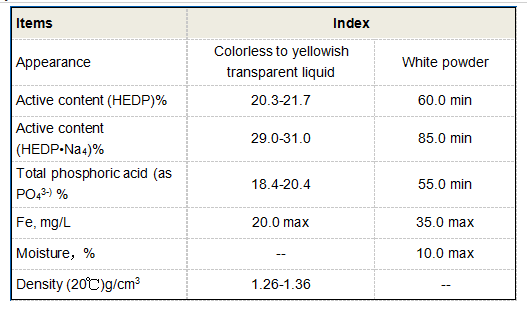
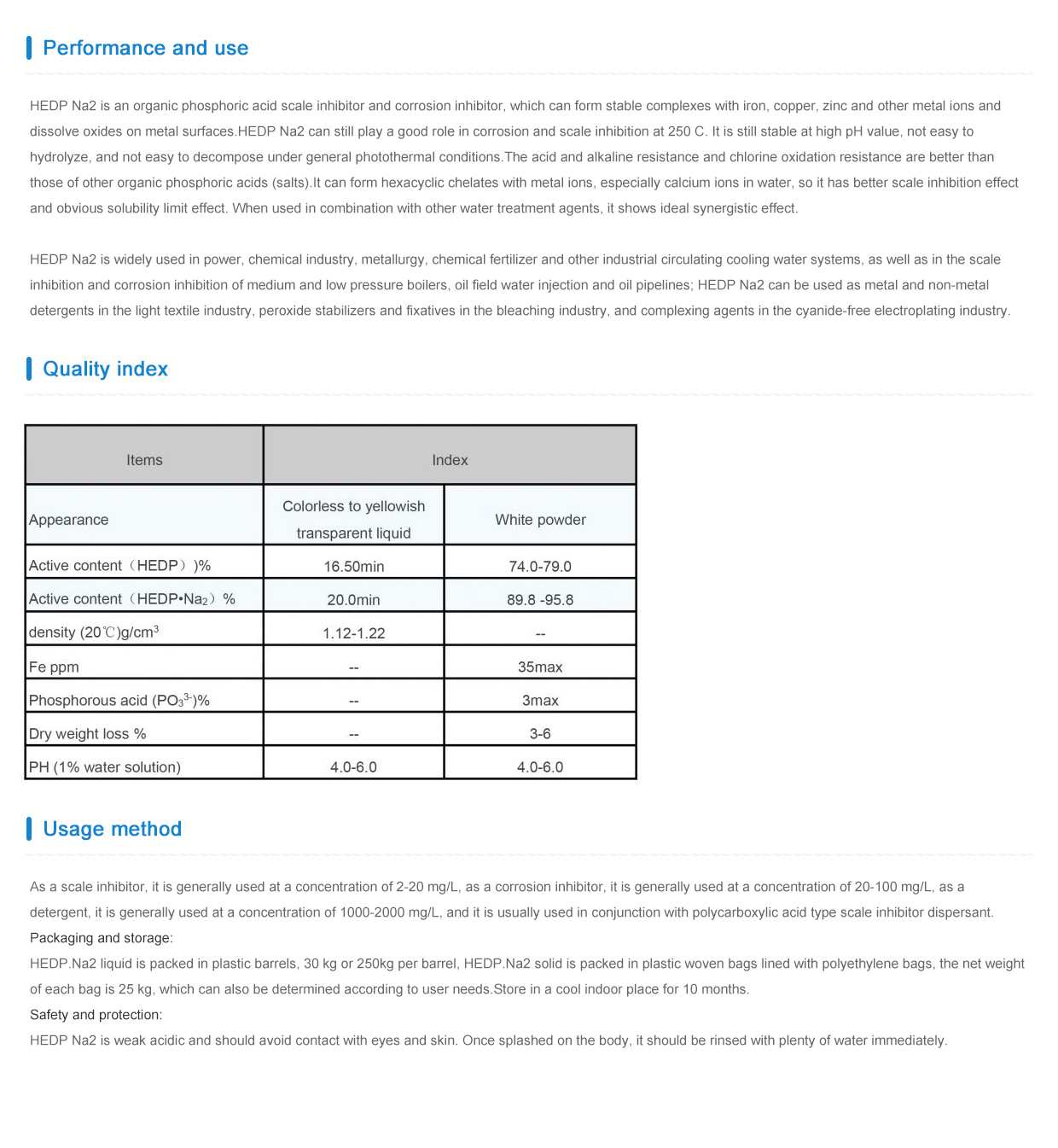
disodium salt / cas 7414 83 7 / 7414 83 7: This CAS number (7414-83-7) refers to the Disodium salt of HEDP. LKP BTC produces this form of HEDP, which is often easier to handle and dissolve in water treatment formulations compared to the acid form. |
|
|
|
|
|
READ MORE
|
|
|

|
|
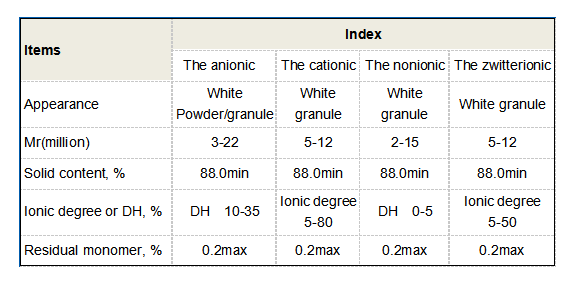
flocculant types / what is poly aluminium chloride / poly aluminium chloride uses / polyacrylamide use / polyacrylamide formation: LKP BTC provides extensive technical expertise on their products. They explain the different "types of flocculants" (anionic, cationic, nonionic polyacrylamide) and their specific applications. They detail "what poly aluminium chloride is" – an inorganic coagulant – and its "uses" in removing suspended solids. For "polyacrylamide," they cover its "use" as a flocculant to aggregate fine particles and its chemical "formation" process. |
|
|
|
|
|
READ MORE
|
|
|
|

|
|
sodium hedp / zn hedp: LKP BTC produces "sodium HEDP," the sodium salt of Hydroxyethylidene Diphosphonic Acid, which is easier to handle and dissolve than the acid form. "Zn HEDP" likely refers to a formulation where HEDP is used to stabilize zinc salts in corrosion inhibitor blends, providing cathodic protection. |
|
|
|
|
|
READ MORE
|
|
|

|
|
inhibitor water treatment: This is a broad category that encompasses LKP BTC's entire mission. They produce chemical "inhibitors" specifically for "water treatment" applications. These inhibitors include scale inhibitors, corrosion inhibitors, dispersants, and biocides that are added to water systems to prevent problems and maintain system efficiency and longevity. |
|
|
|
|
|
READ MORE
|
|
|
|
|
|
|
|