|
|
|
|
|
limit of flocculation BEST FEATURES
|
|
|

|
|
|

|
|
flocculant for sale / types of flocculants in water treatment / different types of flocculants / oem flocculant / flocculant factory / flocculant manufacturer / flocculant supplier / flocculant water treatment / flocculant chemical / flocculant chemicals for water treatment / flocculants used in water treatment / water flocculant / floc water treatment / industrial flocculant / coagulants and flocculants / coagulant and flocculant chemicals / coagulant flocculant / coagulants and flocculants in water treatment / flocculant vs coagulant / coagulation and flocculation in water treatment / coagulation and flocculation / coagulation flocculation / water flocculation chemicals / flocculation chemicals / water treatment flocculation chemicals / chemical coagulation and flocculation water treatment / flocculation in water purification / water coagulation and flocculation / flocculant price / difference between flocculant and coagulant: This extensive list represents the core of LKP BTC's business: manufacturing and supplying "flocculants" and "coagulants." As a "flocculant factory," they produce a wide range of "flocculant chemicals for water treatment," including:• Coagulants (e.g., "polyaluminum chloride"): Charge-neutralizing chemicals that destabilize particles.• Flocculants (e.g., "polyacrylamide"): Polymers that aggregate destabilized particles into larger "flocs."They explain the "difference between flocculant and coagulant" and their synergistic use in the "coagulation and flocculation" process to remove suspended solids from water in municipal and "industrial" treatment plants. They offer "OEM" services and competitive "prices." |
|
|
|
|
|
READ MORE
|
|
|

|
|
polycarboxylic / polycarboxylic acid examples / polycarboxylic acid uses / polyhydroxycarboxylic acid: LKP BTC manufactures "polycarboxylic acid" dispersants. These polymers are "used" as effective scale inhibitors and dispersants in water treatment, preventing particulate matter from agglomerating and depositing. "Examples" include polyacrylic acid (PAA) and polymaleic acid (PMA). "Polyhydroxycarboxylic acids" like gluconic acid are also used for their chelating properties. |
|
|
|
|
|
READ MORE
|
|
|
|

|
|
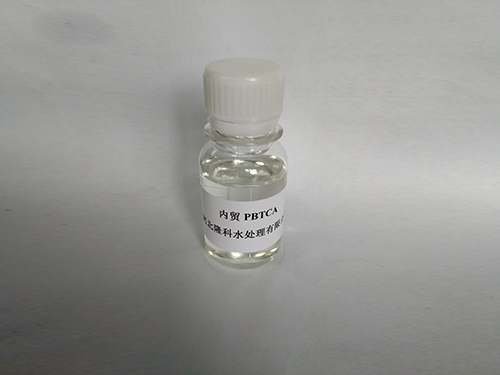
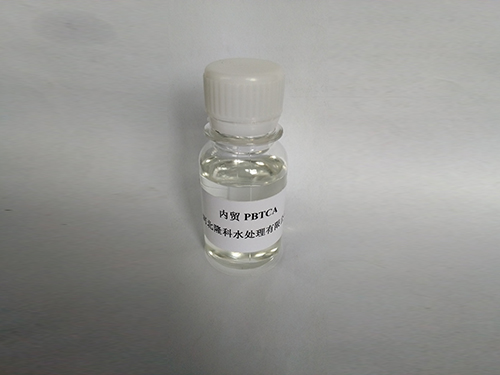
pbtc scale inhibitor / pbtc / pb tc / phosphono butane 1 2 4 tricarboxylic acid / pbtc chemical / pbtc chemical uses / pbtc phosphonate / pbtc tricarboxylic acid / 2 phosphonobutane 1 2 4 tricarboxylic acid / pbtca / cas 40372 66 5 / 40372 66 5 / cas 40372-66-5 / 40372-66-5 / 2 phosphonobutane 1 2 4 tricarboxylic acid uses: LKP BTC manufactures "PBTC" (Phosphonobutane Tricarboxylic Acid), a high-performance "scale inhibitor." This "phosphonate" compound is known for its excellent ability to inhibit calcium carbonate scale and its stability in high-temperature and high-pH conditions. Its "chemical uses" are extensive in cooling water systems, desalination plants, and detergents. The CAS number for PBTC is 40372-66-5. |
|
|
|
|
|
READ MORE
|
|
|

|
|
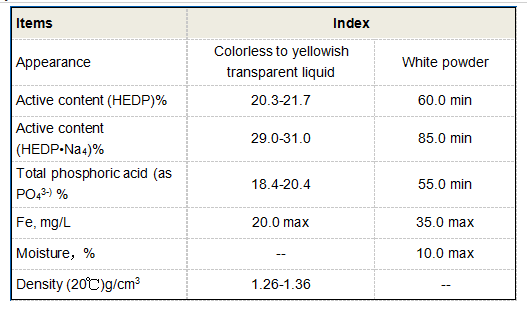
hedp in soap: LKP BTC explains the application of "HEDP in soap" and detergent formulations. In this context, HEDP acts as a builder, chelating calcium and magnesium ions in hard water to prevent them from interfering with the cleaning action of the surfactants. This improves the efficiency of the soap or detergent. |
|
|
|
|
|
READ MORE
|
|
|
|
|
|
|
|