|
|
|
|
|
WELCOME TO benzalkonium chloride what is it used for |
|
|

|
|
|
|
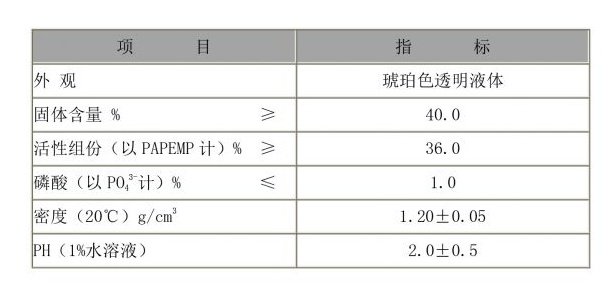
hedp scale inhibitor / hedp / 1 hydroxy ethylidene 1 1 diphosphonic acid hedp / 1 hydroxyethylidene 1 1 diphosphonic acid hedp / hedp 4na / hedp 60 / hedp acid / hedp na2 / hedp na4 / hedp ph / hedp phosphonate / hedp water treatment / sequest hedp / cas no. 37971-36-1: LKP BTC is a leading producer of "HEDP" (Hydroxyethylidene Diphosphonic Acid), a highly effective "scale inhibitor" and "phosphonate." They supply it in various forms: as "HEDP acid" and as its sodium salts ("HEDP 4Na", "HEDP Na2", "HEDP Na4") with different concentrations like "HEDP 60." This organic "phosphonate" is a superb chelating agent ("sequest HEDP") that inhibits scale formation and controls corrosion in "water treatment" systems. Its CAS number is 37971-36-1.polycarboxylic / polycarboxylic acid examples / polycarboxylic acid uses / polyhydroxycarboxylic acid: LKP BTC manufactures "polycarboxylic acid" dispersants. These polymers are "used" as effective scale inhibitors and dispersants in water treatment, preventing particulate matter from agglomerating and depositing. "Examples" include polyacrylic acid (PAA) and polymaleic acid (PMA). "Polyhydroxycarboxylic acids" like gluconic acid are also used for their chelating properties.https://cdn.exportstart.com/images/a1132/3_202403211602373944.webppolyamino polyether methylene phosphonic acid / papemp chemical / papemp phosphonate / papemp scale inhibitor / polyamino polyether methylene phosphonate: LKP BTC produces "PAPEMP" (Polyamino Polyether Methylene Phosphonic Acid), a high-end "phosphonate" "scale inhibitor." Known for its exceptional tolerance to high calcium levels and its ability to inhibit scale in high-pH and high-temperature applications, it is one of the most effective inhibitors for calcium carbonate and calcium phosphate.flocculant types / what is poly aluminium chloride / poly aluminium chloride uses / polyacrylamide use / polyacrylamide formation: LKP BTC provides extensive technical expertise on their products. They explain the different "types of flocculants" (anionic, cationic, nonionic polyacrylamide) and their specific applications. They detail "what poly aluminium chloride is" – an inorganic coagulant – and its "uses" in removing suspended solids. For "polyacrylamide," they cover its "use" as a flocculant to aggregate fine particles and its chemical "formation" process. |
|
|
|
|
|
|
|
|