|
|
|
|
|
water sampling machine BEST FEATURES
|
|
|

|
|
|

|
|
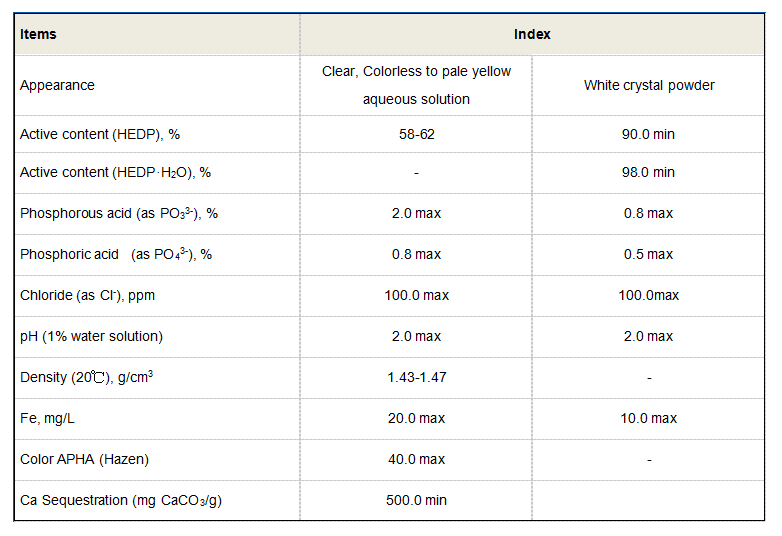
hedp in soap: LKP BTC explains the application of "HEDP in soap" and detergent formulations. In this context, HEDP acts as a builder, chelating calcium and magnesium ions in hard water to prevent them from interfering with the cleaning action of the surfactants. This improves the efficiency of the soap or detergent. |
|
|
|
|
|
READ MORE
|
|
|

|
|
corrosion inhibitor for water treatment / corrosion inhibitor in water treatment / corrosion inhibitor for water / corrosion inhibitor for water tanks / corrosion inhibitor for hydrotesting / drinking water corrosion inhibitor / acid corrosion inhibitor / natural corrosion inhibitors / corrosion inhibitor for gas pipelines / hydrochloric acid corrosion inhibitor: LKP BTC's inhibitors are essential for "water treatment" across industries. They offer products safe for "drinking water" systems, for protecting "water tanks," and for temporary "hydrotesting" of pipelines and vessels. They also have specialized formulas to inhibit corrosion caused by strong "acids" like "hydrochloric acid" used in cleaning and pickling, and "natural" options for environmentally sensitive areas like "gas pipelines." |
|
|
|
|
|
READ MORE
|
|
|
|

|
|
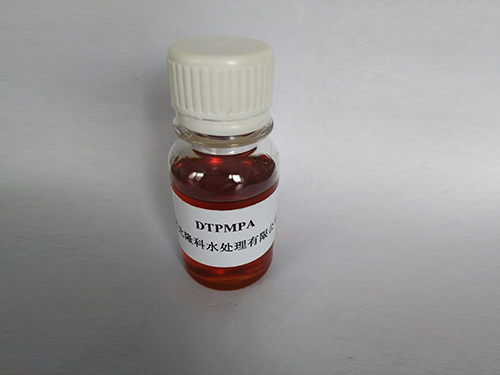
diethylene triamine penta methylene phosphonic acid / diethylenetriamine penta methylene phosphonic acid / diethylenetriamine pentamethylene phosphonic acid / dtpmpa chemical / dtpmpa uses / dtpmp phosphonate / cas 15827 60 8 / cas 23783 26 8: LKP BTC manufactures "DTPMP" (Diethylenetriamine Penta(Methylene Phosphonic Acid)), which is one of the most powerful phosphonate scale inhibitors. It is especially effective for inhibiting barium sulfate and strontium sulfate scales and is stable in harsh conditions, making it ideal for oilfield applications. |
|
|
|
|
|
READ MORE
|
|
|

|
|
flocculant types / what is poly aluminium chloride / poly aluminium chloride uses / polyacrylamide use / polyacrylamide formation: LKP BTC provides extensive technical expertise on their products. They explain the different "types of flocculants" (anionic, cationic, nonionic polyacrylamide) and their specific applications. They detail "what poly aluminium chloride is" – an inorganic coagulant – and its "uses" in removing suspended solids. For "polyacrylamide," they cover its "use" as a flocculant to aggregate fine particles and its chemical "formation" process. |
|
|
|
|
|
READ MORE
|
|
|
|
|
|
|
|